
The Art of Inclusive Cooking: How to Feed Everyone at One Table
October 13, 2026
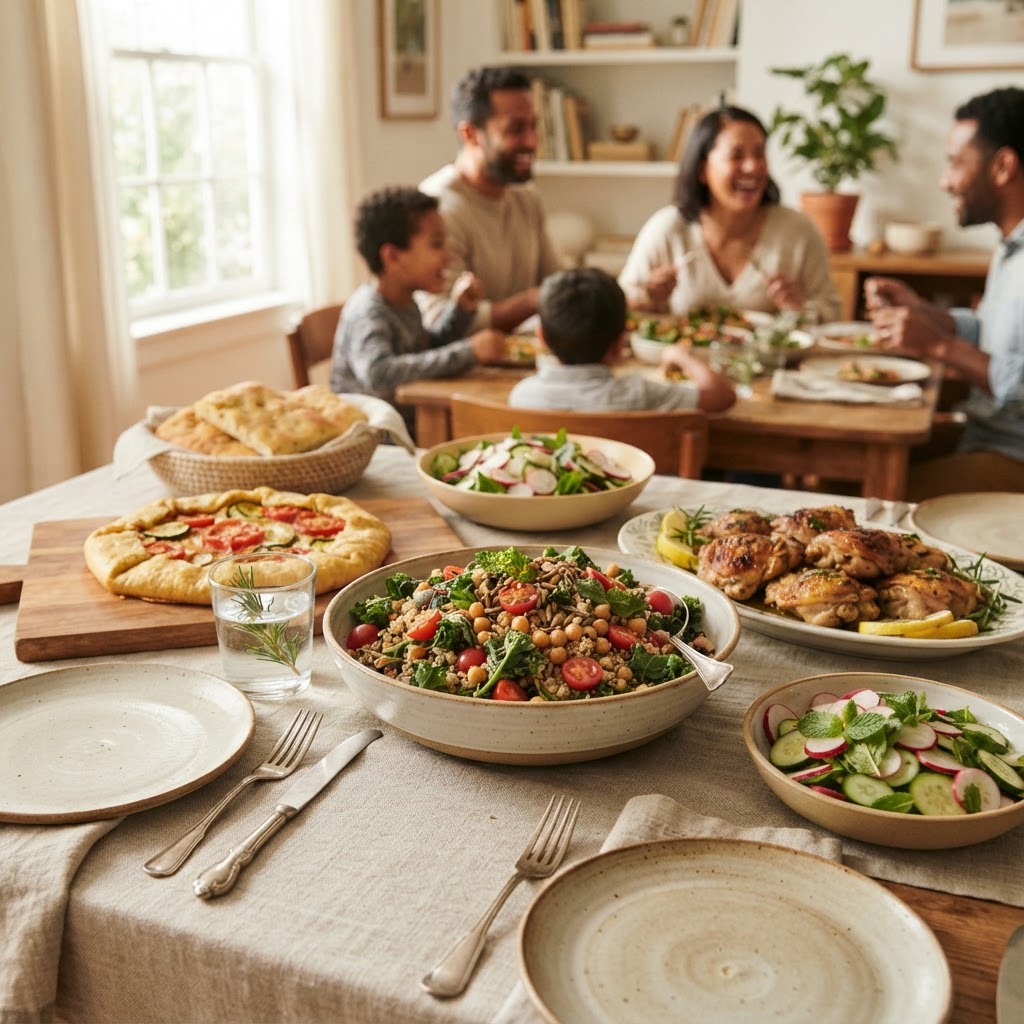
Tired of playing short-order cook? Discover how to simplify your mealtime routine by adapting recipes to be inclusive for every dietary need at your table.
The Art of Inclusive Cooking: How to Feed Everyone at One Table
There is a specific kind of fatigue that hits around 5:00 PM when you realize you have a household full of different dietary needs. You’re staring at the fridge, wondering how to make a dinner that satisfies the gluten-free teen, the dairy-free partner, and the picky eater who suddenly has a new nut sensitivity. For many of us, this turns the kitchen—a place meant for creativity and connection—into a high-stress logistical puzzle.
But what if you didn't have to be a short-order cook? What if the secret wasn’t making more meals, but making better ones that include everyone? Welcome to the era of inclusive cooking, where we stop segregating plates and start celebrating the common ground of a great meal.
The Shift: Moving From Restriction to Inclusion
For a long time, the standard approach to dietary restrictions was simple: leave the ingredient out or cook a separate dish. This often leads to bland, "sad" versions of recipes or, worse, a chaotic kitchen where the cook never actually gets to sit down and enjoy the meal.
Inclusive cooking is different. It’s a proactive mindset that looks at a recipe not as a rigid set of rules, but as a blueprint. It’s about choosing ingredients and techniques that allow the dish to shine for everyone, regardless of what they can or cannot eat.
Why This Matters: More Than Just Food
When we cook inclusively, we aren't just managing nutrition; we are protecting the spirit of the family meal.
- Connection: When everyone eats the same meal, the table becomes a place of shared experience rather than a collection of "special" individual diets.
- Mental Load: Reducing the number of dishes you have to plan and execute drastically lowers your daily stress.
- Culinary Confidence: Learning how to swap ingredients—like using coconut aminos for soy sauce or oat milk for dairy—expands your cooking toolkit and makes you a more versatile chef.
Practical Tips for Your Inclusive Kitchen
Ready to reclaim your kitchen? Here are three ways to start adapting your recipes today:
1. Embrace the "Build-Your-Own" Method
Instead of mixing everything together, keep components separate. Think taco bars, grain bowls, or stir-fries. By keeping sauces, proteins, and toppings in separate bowls, you allow each person to customize their plate without requiring you to cook three separate dinners.
2. Learn Your "Go-To" Swaps
Keep a list of reliable, high-quality substitutes in your back pocket. Whether it's a specific brand of gluten-free flour blend that actually behaves like wheat or a plant-based butter that browns beautifully, having your "hero" ingredients makes modifications seamless.
3. Always Check Your Labels
While we love the creativity of recipe modification, we must prioritize safety. Always check the labels on every package, even if you’ve used the product before. Manufacturers change their processes and facilities frequently. If you are cooking for serious or life-threatening allergies, read every label, every single time. Your safety and the safety of your loved ones is the most important ingredient.
Making the Switch Effortless
We know that looking at a recipe and mentally calculating the right substitutions can be overwhelming. That’s exactly why we built freeformkitchen.
Our app is designed to do the heavy lifting for you. You don’t need to spend hours scouring the internet for "gluten-free, dairy-free, nut-free lasagna" recipes. Simply take the recipe you love, input your household’s specific dietary restrictions, and let our tool adapt the ingredients and instructions for you instantly.
Ready to stop playing the guessing game in the kitchen? [Click here to try the freeformkitchen recipe converter and bring everyone back to the table tonight!](https://freeformkitchen.base44.app/)
Final Thoughts
Dietary restrictions don’t have to be a barrier to enjoying food; they can be an invitation to cook more creatively. By shifting our perspective from "what we can't have" to "how we can make this delicious for everyone," we transform our kitchens into truly inclusive spaces. Start small, stay curious, and most importantly, enjoy the time you spend sharing a meal with those you love.
Try it now
Paste any recipe and freeformkitchen will instantly adapt it for every dietary restriction in your household.