
One Table, Every Diet: How to Master Inclusive Cooking at Home
October 3, 2026
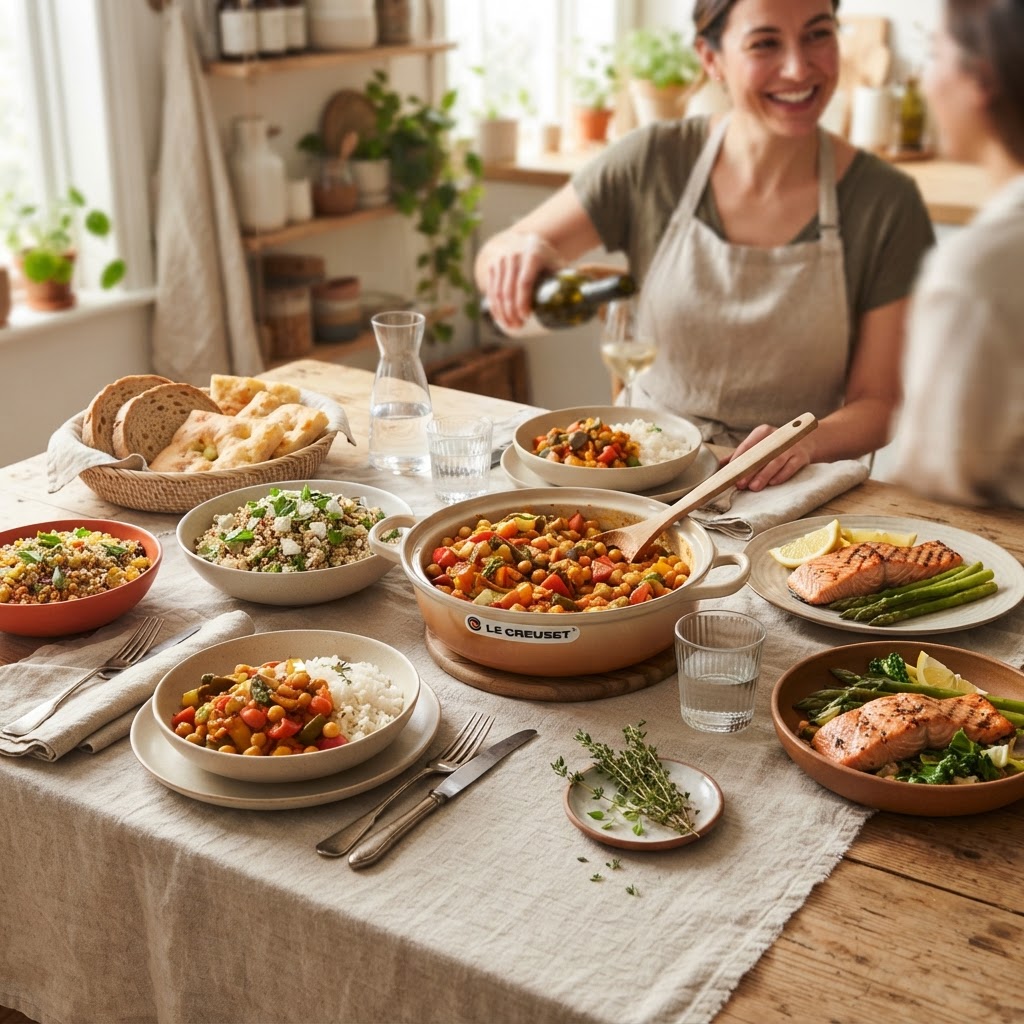
Discover how to simplify mealtime by adapting your favorite recipes to accommodate everyone’s dietary needs without sacrificing flavor.
One Table, Every Diet: How to Master Inclusive Cooking at Home
We’ve all been there. It’s 5:30 PM, the kids are hungry, and you’re staring at a recipe that looks delicious—until you remember that one person in your house is gluten-free, another is avoiding dairy, and a third has a nut allergy. Suddenly, the joy of cooking feels like a complex math problem.
But here’s the good news: the days of making three different versions of dinner are over. Dietary inclusivity isn’t about limitation; it’s about creativity. It’s about ensuring that everyone feels seen, safe, and satisfied when they sit down to eat. Let’s dive into how you can make your kitchen a sanctuary for every eater.
Why Inclusivity at the Dinner Table Matters
Food is inherently social. When we cook, we are creating a shared experience. When someone is excluded from that experience because their dietary needs weren't considered, it can create a sense of isolation.
By embracing allergy-friendly and inclusive cooking, you aren’t just following a diet; you are fostering connection. When you adapt a dish so everyone can eat the same meal, you’re sending a powerful message: You belong here, and your health matters. Plus, let’s be honest—it saves a whole lot of time and dishwashing!
Practical Tips for Adaptable Cooking
Transitioning to an inclusive kitchen doesn’t mean you have to learn how to be a professional chef overnight. It’s about building a toolkit of reliable modifications.
1. Master the "Swaps"
Identify the top allergens in your household and find your "go-to" replacements.
- Gluten: Familiarize yourself with 1-to-1 gluten-free flour blends.
- Dairy: Explore plant-based milks like oat (great for creaminess) or almond, and look for quality vegan butter alternatives that melt just like the real thing.
- Eggs: Learn the magic of flax eggs or applesauce for baking, depending on the desired texture.
2. Focus on Naturally Inclusive Bases
Instead of starting with a heavy-hitter recipe that relies on dairy or gluten, look for naturally inclusive bases. Think grain bowls, stir-frys with rice noodles, or protein-packed salads. These meals are often easier to adapt because they rely on fresh, whole ingredients rather than processed convenience items.
3. Build Around the Protein and Produce
When in doubt, simplify. A well-seasoned roasted chicken with seasonal vegetables and quinoa is a meal that most people can enjoy with very minor tweaks. By focusing on whole foods, you automatically bypass many of the hidden allergens found in pre-packaged sauces and breadings.
A Note on Safety
While we love getting creative in the kitchen, please remember: safety always comes first. If you or a family member have serious, life-threatening food allergies, always verify your ingredients. Read every label, every single time—even if you’ve used the product before. Manufacturers change their processes, and hidden allergens can lurk in unexpected places like spices, broths, and dressings.
Making the Switch Effortless
I know what you’re thinking: “This sounds great, but how do I actually modify a recipe without ruining the texture or flavor?”
This is exactly why we built FreeformKitchen. We believe that no one should have to choose between their dietary health and a delicious meal. Our app takes the guesswork out of recipe modification. Simply input your favorite recipe, select the dietary restrictions you need to accommodate, and let our converter do the heavy lifting for you.
Stop juggling three different pots and pans. [Click here to try the FreeformKitchen recipe converter](https://freeformkitchen.app) and reclaim your time and sanity in the kitchen.
Final Thoughts
Cooking inclusively is a journey, not a destination. You will make mistakes, you might have a "recipe fail" (we’ve all been there!), and you will definitely learn a lot along the way. Be patient with yourself. The goal isn't perfection; it’s inclusion.
Start small, experiment often, and keep the focus where it belongs: on the joy of sharing a meal with the people you love. Happy cooking!
Try it now
Paste any recipe and freeformkitchen will instantly adapt it for every dietary restriction in your household.